The Home of Safari
The word "safari" is Swahili for "journey." And there is no country on Earth where the journey is more rewarding than Kenya. This is the land where the modern safari was born — where game reserves were first established, where conservation became a national identity, and where the interaction between humans and wildlife reached a level of intimacy unmatched elsewhere.
If you are considering your first safari — or your tenth — here are ten compelling reasons to choose Kenya.
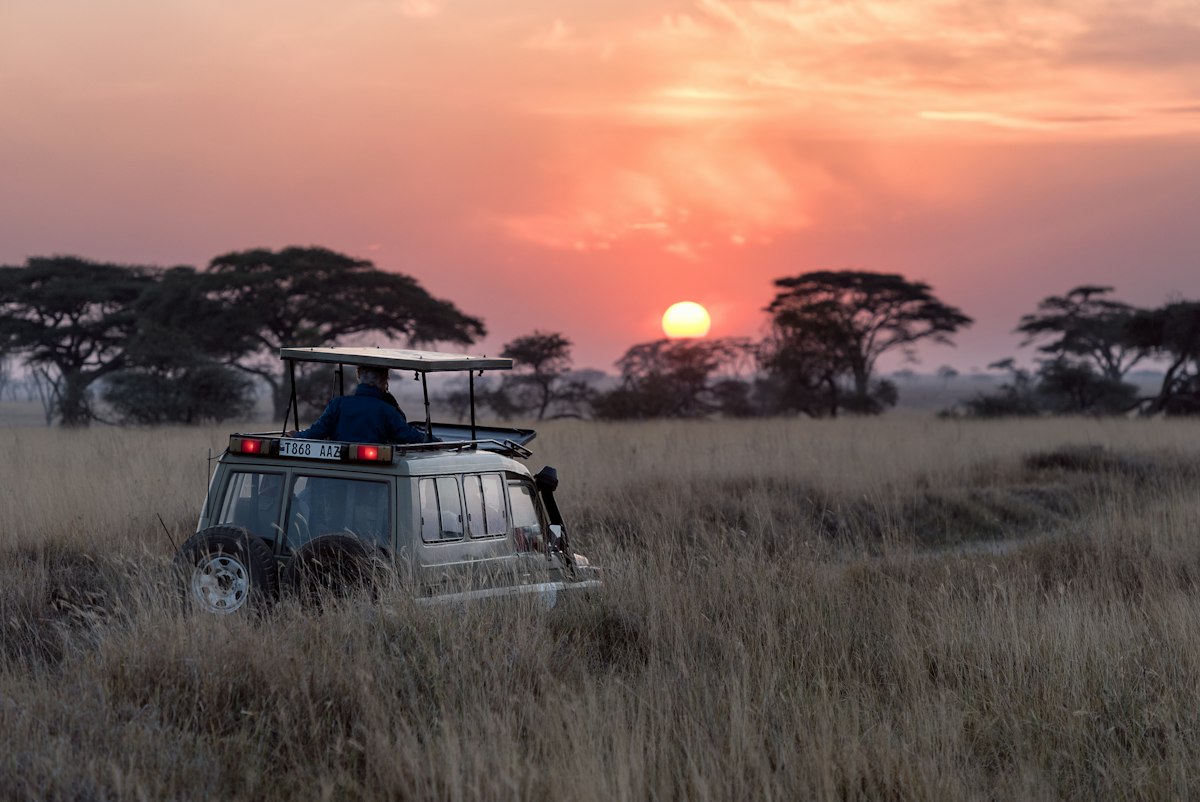
1. The Masai Mara: The Gold Standard of Game Reserves
The Masai Mara National Reserve and its surrounding conservancies form the world's most famous safari destination for good reason. Open grasslands allow 360-degree visibility. Resident big cat populations are among the densest in Africa. The Great Migration brings 1.5 million wildebeest through its borders every year. If you can visit only one safari destination in your lifetime, make it the Mara.
2. Year-Round Wildlife, Not Just One Season
Unlike some destinations that are good only during migration season, Kenya delivers exceptional wildlife viewing every month of the year. Even outside the Great Migration window, the Masai Mara hosts resident lion, cheetah, leopard, elephant, buffalo, and rhino. The dry seasons (January–February and June–October) are particularly reliable for concentrated game viewing around waterholes and rivers.
3. Amboseli: Africa's Most Iconic View
There is arguably no more recognisable image in African wildlife photography than a herd of African elephants moving across a dusty plain with the snow-capped dome of Mount Kilimanjaro rising above them. This is Amboseli National Park in southern Kenya. The park hosts some of Africa's largest and most studied elephant populations, with individuals whose family histories span decades of observation.
4. The Maasai Culture: A Living Heritage
Unlike many African nations where indigenous cultures have been marginalised, Kenya's Maasai people remain a proud, visible, and culturally intact presence across the country. Their partnership with conservation — Maasai landowners lease their land to create private conservancies — has been revolutionary for wildlife protection. Visiting a genuine Maasai community is an enriching, humbling experience that adds profound depth to any Kenya journey.
5. Private Conservancies: The Future of Safari
The private conservancies surrounding the Masai Mara — including Mara North, Naboisho, Olare Motorogi, and others — represent the most innovative model in conservation tourism. By leasing land from Maasai landowners, these conservancies incentivise coexistence with wildlife, strictly limit visitor numbers, permit night drives and off-road driving, and deliver a quality of safari experience that national parks simply cannot match.
6. Samburu: Where the North Begins
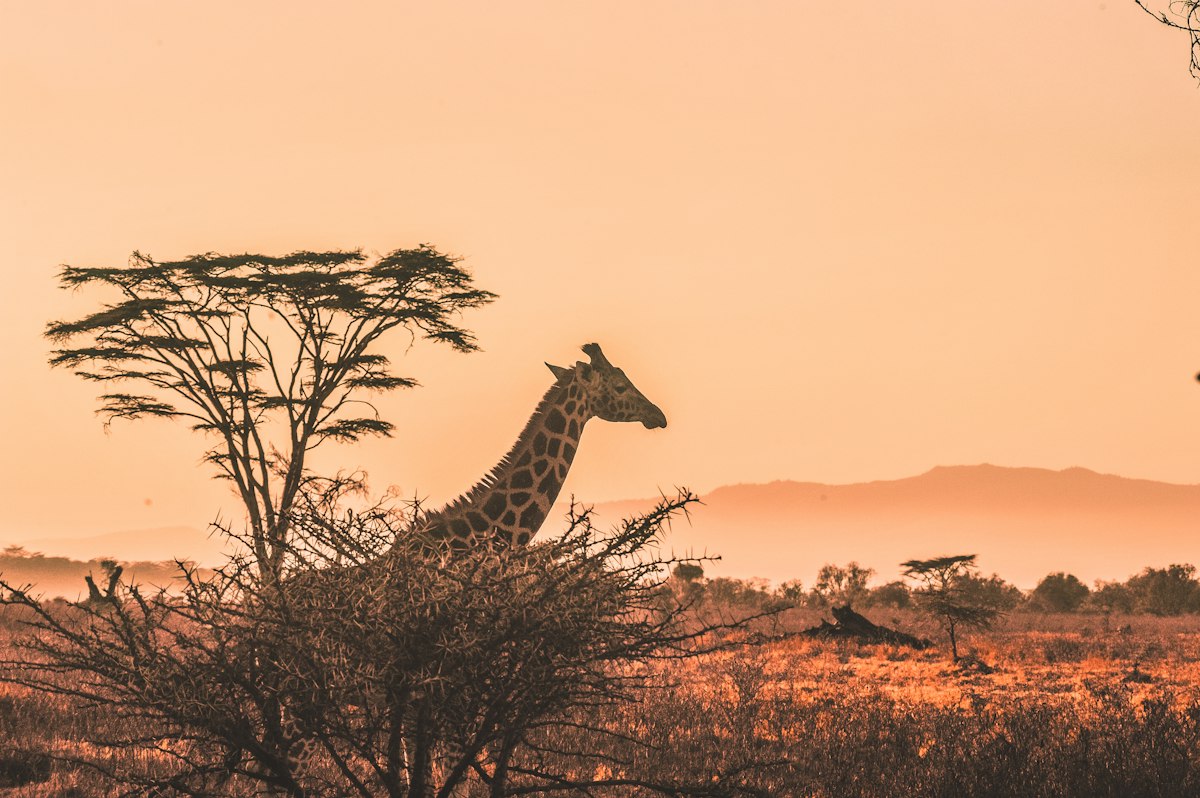
Few travellers venture north of Nairobi, but those who do discover Samburu National Reserve — a dry, dramatic, and utterly compelling wilderness on the banks of the Ewaso Ng'iro River. Samburu is famous for the "Samburu Special Five" — species found nowhere else in Kenya: Grevy's zebra, reticulated giraffe, Somali ostrich, Beisa oryx, and gerenuk. The Samburu people, in their red shukas and elaborate beadwork, are as captivating as the wildlife.
7. Lake Nakuru: The Pink Flamingo Lake
Lake Nakuru National Park in the Rift Valley is famous for the millions of lesser flamingos that gather on its alkaline shores, turning the lake's edge a surreal shade of pink. The park is also one of Kenya's best for white and black rhino and hosts significant populations of lion, leopard, and the elusive endangered Rothschild's giraffe. At just 188 square kilometres, it is compact but extraordinarily rich.
8. The Lamu Archipelago: Coastal Perfection
Kenya's coast is not just beaches — it is history, culture, and extraordinary beauty. The Lamu Archipelago, a UNESCO World Heritage Site, contains one of the oldest and best-preserved Swahili settlements in East Africa. Dhow sailing in the channel, donkey-only streets (no cars), elaborate carved doors, and the warmth of the local community create an experience unlike anywhere else. Combining a safari with a few days in Lamu is a near-perfect African holiday.
9. Superb Infrastructure and Accessibility
Kenya has invested heavily in its tourism infrastructure. Nairobi's Jomo Kenyatta International Airport is East Africa's primary hub with direct connections to London, Amsterdam, Dubai, Addis Ababa, and beyond. Wilson Airport handles domestic connections to airstrips across the country. A well-maintained network of safari lodges and camps, reliable domestic aviation, and experienced local operators make Kenya one of Africa's most logistically straightforward safari destinations.
10. Mount Kenya: Adventure Beyond the Plains
Africa's second-highest peak (5,199m), Mount Kenya offers everything from gentle forest walks through dense bamboo and Afro-alpine zones to serious technical climbing on the main peaks. The mountain's diverse ecosystems support elephant, buffalo, and the endemic bongo antelope in its lower forests. The Naro Moru route to Point Lenana (4,985m) is achievable by fit walkers with no technical climbing experience and delivers views of extraordinary scope.
Kenya Awaits
Whether you come for the Masai Mara, the elephants of Amboseli, the flamingos of Nakuru, the culture of Lamu, or the snow on Kilimanjaro's neighbour across the border, Kenya will give you more than you expect and leave you wanting more than you imagined. It always does.
Contact Recon Travels to begin planning your Kenyan safari today. Our team has deep experience designing bespoke Kenya itineraries that go far beyond the standard routes.