Africa's Most Beautiful City
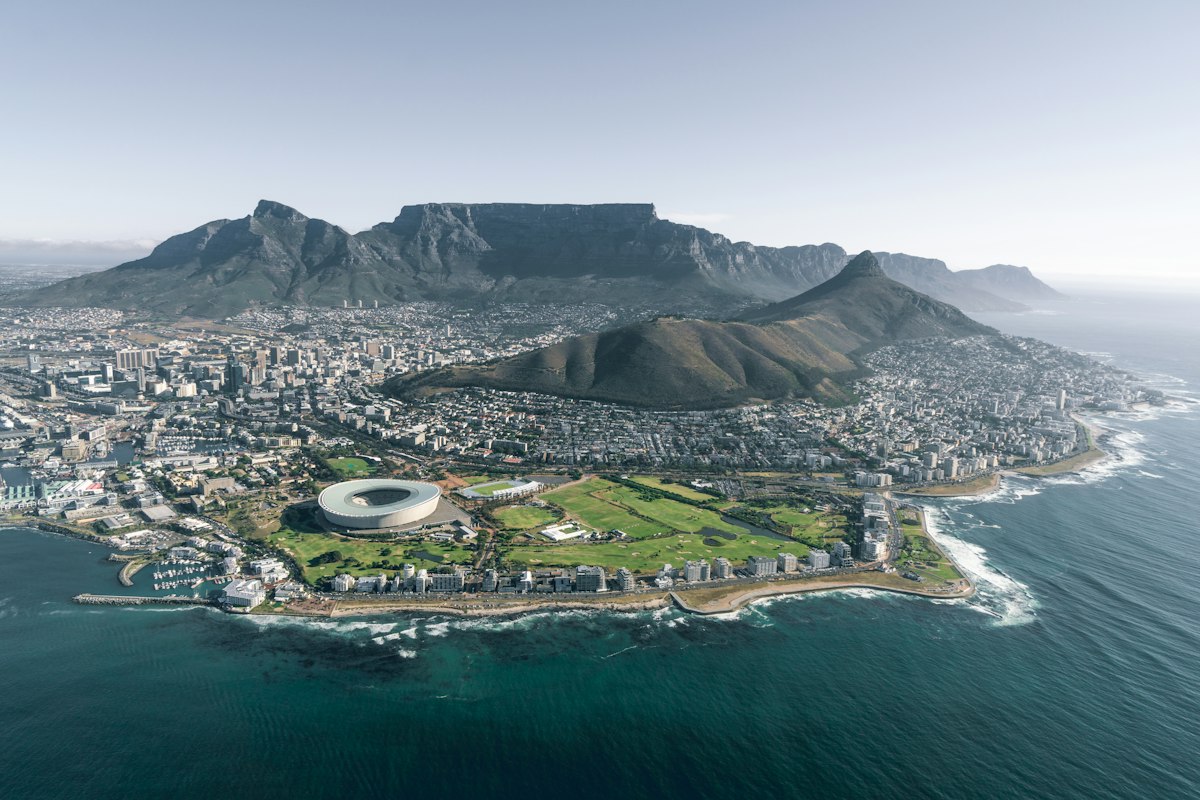
Cape Town is in a category of its own. Framed by the iconic flat-topped silhouette of Table Mountain, lapped by two oceans, and blessed with a Mediterranean climate, it is a city that manages to be simultaneously cosmopolitan and wild, historic and dynamic, sophisticated and deeply laid-back.
For first-time visitors, the sheer range of experiences on offer is almost overwhelming. Within an hour of the city centre, you can hike to a 1,086-metre mountain summit, walk among African penguins on a beach, taste world-class Chenin Blanc in a centuries-old wine estate, and watch southern right whales breaching offshore. There is no other city quite like it.
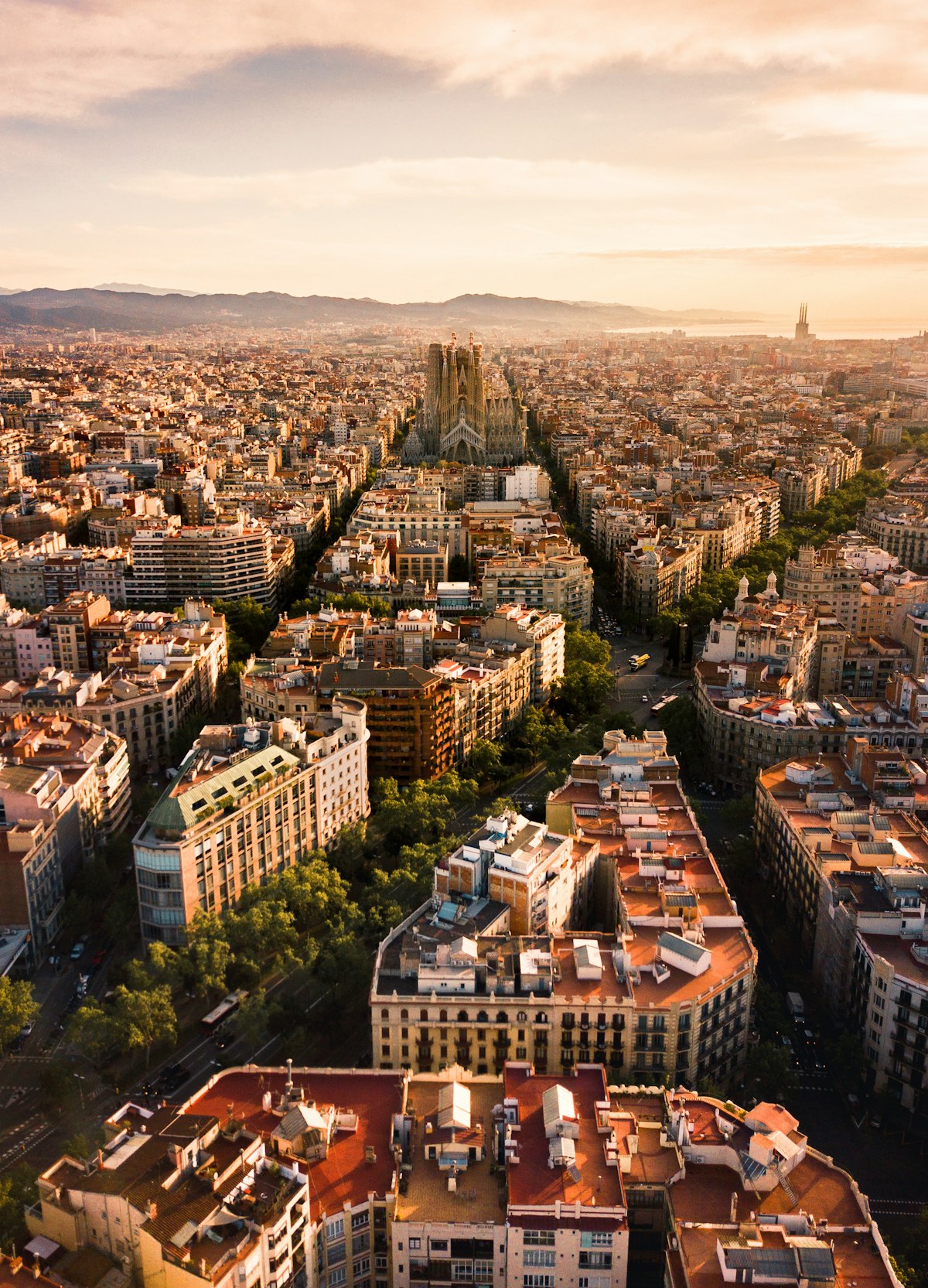
Table Mountain: The Icon of Icons
Table Mountain is Cape Town. The 3-kilometre-wide flat plateau dominates the city skyline from every angle and is visible from 200 kilometres at sea. It forms part of the Cape Floristic Region — a UNESCO World Heritage Site and one of the world's six floral kingdoms, home to more plant species per square kilometre than the Amazon rainforest.
Getting to the Top
The Table Mountain Aerial Cableway is the most popular route — a revolving cable car that ascends 669 vertical metres in approximately five minutes. At the top, a network of well-marked trails allows exploration of the plateau. Book your cable car in advance, especially during peak season (December–January).
Hikers should consider Platteklip Gorge — a well-maintained 2-hour ascent that arrives at the front table — or the more challenging India Venster trail for rewarding views throughout the climb. Always check weather conditions before ascending: cloud (the famous "tablecloth") can descend rapidly.
The Cape Peninsula
A full-day drive down the Cape Peninsula is one of the world's great road trips. The route takes in:
- Hout Bay — A picturesque fishing harbour with a colony of Cape fur seals at Duiker Island
- Chapman's Peak Drive — 9 kilometres of cliff-hugging coastal road with breathtaking Atlantic Ocean views
- Boulders Beach, Simon's Town — Home to a colony of 3,000 African penguins that you can observe at close range
- Cape Point — The dramatic headland at the southwestern tip of Africa, within the Cape of Good Hope Nature Reserve. The lighthouse offers views that feel genuinely world-ending.
- Cape of Good Hope — Not the southernmost point of Africa (that honour belongs to Cape Agulhas, 170km east), but one of the most emotive and photographed locations on the continent
Allow a full day for the Peninsula drive and pack a picnic. Wildlife en route includes baboons, ostriches, bontebok, and eland.
The Cape Winelands
Forty-five minutes from central Cape Town, the winelands towns of Stellenbosch, Franschhoek, and Paarl produce some of the Southern Hemisphere's finest wines. The landscape — oak-lined streets, Dutch Cape architecture, vine-covered mountains — is achingly beautiful.
Stellenbosch
South Africa's second-oldest European settlement (1679) is a vibrant university town surrounded by over 150 wine estates. Pinotage, Cabernet Sauvignon, and Chenin Blanc are the standout varietals. The Stellenbosch Wine Route is the country's most visited.
Franschhoek
Founded by French Huguenot refugees in 1688 ("Franschhoek" means "French Corner"), this small village is widely considered South Africa's gourmet capital. Several of its restaurants hold positions in Africa's and the world's top dining lists. Wine estates here specialise in Cap Classique sparkling wine and Semillon.
The Franschhoek Wine Tram
A hop-on, hop-off tram and trolley system connecting the best estates across the valley — a brilliant, convivial way to spend a day tasting without worrying about driving.
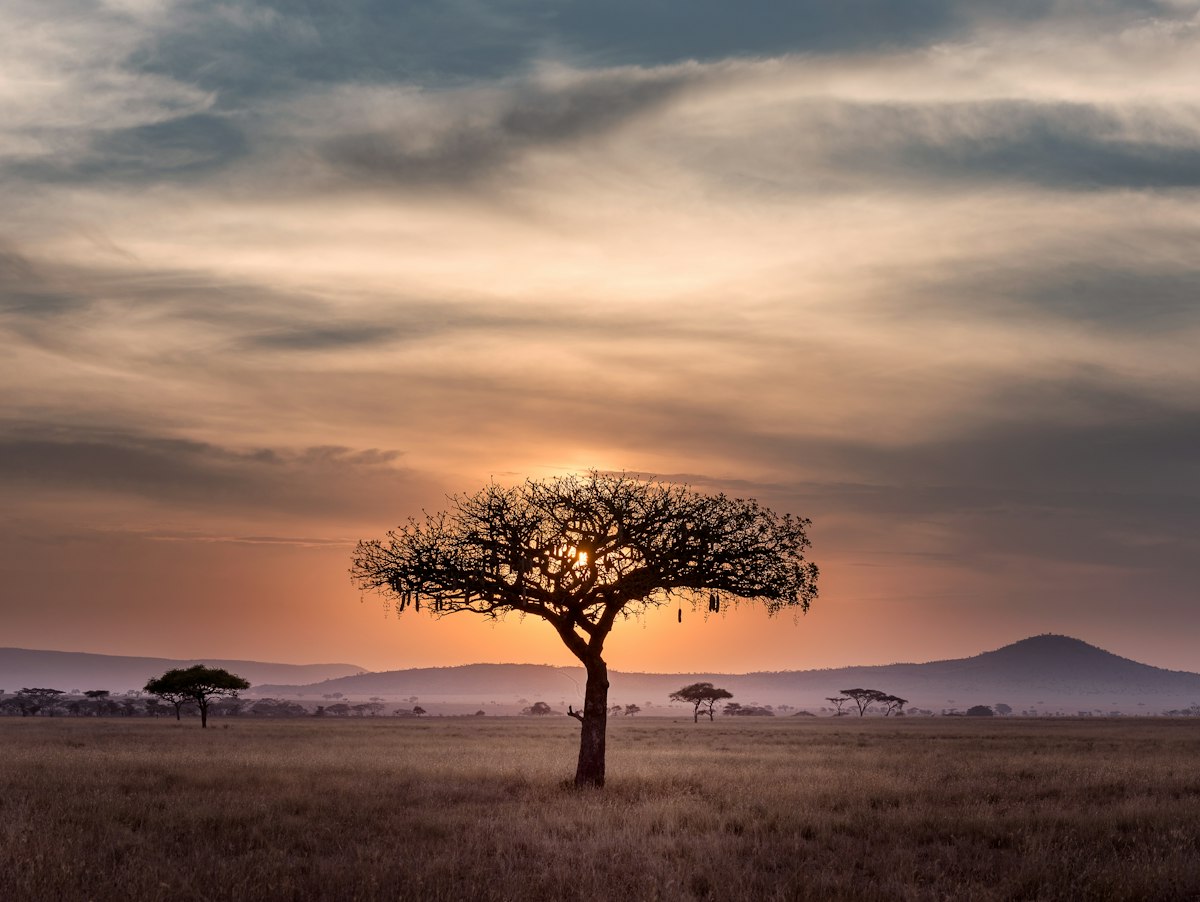
Whale Watching in Hermanus
Between June and November, southern right whales gather in Walker Bay near the coastal town of Hermanus — one of the world's best shore-based whale watching locations. The town employs a full-time "whale crier" who walks the streets blowing a kelp horn to alert residents and visitors to whale activity. Boat-based tours offer extraordinary close-range encounters. Hermanus is a 90-minute drive from Cape Town, making it ideal as a day trip or overnight excursion.
The V&A Waterfront
Cape Town's working harbour has been beautifully redeveloped into the Victoria & Alfred Waterfront — a hub of restaurants, world-class shopping, galleries, and the Two Oceans Aquarium. The harbour views of Table Mountain are spectacular and the area is safe, vibrant, and well-maintained. Most international-standard hotels are within walking distance or a short drive.
Practical Information
Best Time to Visit
Cape Town has a Mediterranean climate. The best weather is from October to April (austral summer). December–February are peak months with the most settled weather. July–August is cooler and windier (though perfectly manageable with the right clothing) and whale season begins. The shoulder months of September–October and March–April offer excellent weather with fewer crowds.
Getting Around
The MyCiti Bus is useful for the Waterfront and Atlantic Seaboard. For the Peninsula and Winelands, a rental car or private transfer is recommended. Uber is widely available and reliable in Cape Town.
Safety
Cape Town is a wonderful city that requires the same sensible precautions you would apply in any major world city. Avoid township areas without a licensed guide, do not flash valuables on the street, and use reputable transport. The tourist zones — Waterfront, City Bowl, Atlantic Seaboard, Winelands — are generally safe for visitors.
Combining Cape Town with a Safari
Cape Town works brilliantly as the city component of a longer South African journey. Popular combinations include:
- Cape Town + Kruger National Park — The classic South African trip: city glamour and raw wilderness
- Cape Town + Victoria Falls + Botswana — An iconic Southern Africa circuit
- Cape Town + Garden Route — A self-drive coastal journey through some of South Africa's most spectacular scenery
Contact Recon Travels to craft your perfect Cape Town itinerary — whether a long weekend city break or the centrepiece of a broader African adventure.