The World's Most Remarkable Wildlife Event
The Great Wildebeest Migration is, by any measure, the most extraordinary wildlife spectacle on Earth. Each year, 1.5 million wildebeest — along with 500,000 zebra and 200,000 Thomson's gazelle — travel a circular route of over 3,000 kilometres across the Serengeti-Mara ecosystem. They are driven not by instinct to reach a specific destination, but by a primal compulsion to follow the rains and the fresh grass they bring.
There is no set start date, no guaranteed schedule, and no master plan. The herds move when conditions dictate, creating moments of extraordinary drama — river crossings, predator hunts, mass births — that can happen almost anywhere, almost any time. This unpredictability is both the challenge and the magic.
This month-by-month guide gives you the best possible understanding of where the herds are likely to be — and what to expect when you arrive.
Understanding the Circuit
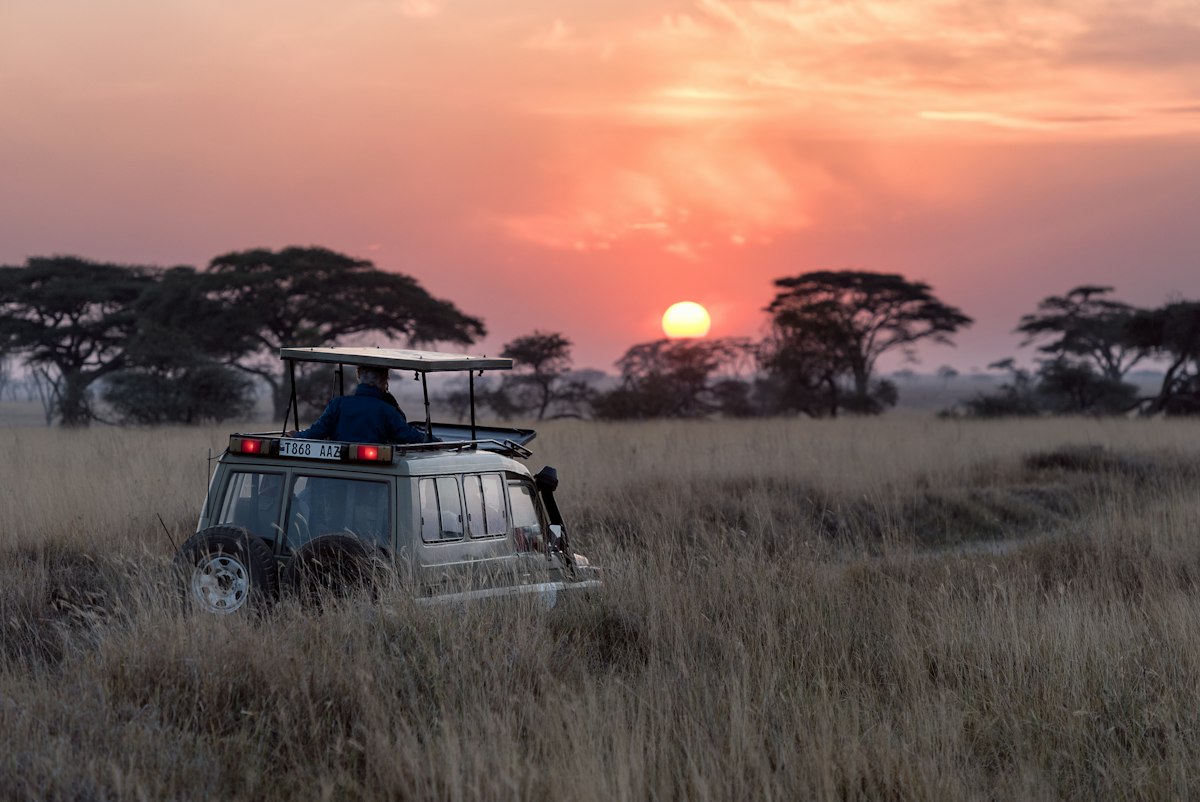
The migration follows a broadly circular route dictated by rainfall and grass growth. The key zones are:
- Southern Serengeti & Ndutu (Tanzania) — January to March: the calving grounds
- Central Serengeti (Tanzania) — April to June: the long rains, northward movement begins
- Western Corridor & Grumeti (Tanzania) — May to July: the Grumeti River crossings
- Northern Serengeti & Masai Mara (Kenya) — July to October: the Mara River crossings
- Return South — November to December: herds move back toward the Serengeti
Month-by-Month Breakdown
January — The Calving Season Begins
Location: Southern Serengeti / Ndutu
January heralds one of nature's most extraordinary events: the calving season. In a period concentrated between late January and February, approximately 500,000 wildebeest calves are born — sometimes 8,000 in a single day. This evolutionary strategy (simultaneous birth) ensures predators are overwhelmed by the sheer numbers of vulnerable newborns, and the majority survive.
The short grass plains around Ndutu are the epicentre. Huge herds congregate here, and the predator activity — cheetah, lion, leopard, and hyena — is extraordinary. This is arguably the most underrated time to visit the Serengeti.
February — Peak Calving
Location: Southern Serengeti / Ndutu
The herds remain in the south, feeding on nutrient-rich short grass. Calf numbers swell. Predator action intensifies. The landscape is green, open, and teeming with life. Ndutu Safari Lodge and the surrounding mobile camps offer excellent positioning.
March — The Long Rains Approach
Location: Southern and Central Serengeti
As the long rains approach from April, the herds begin their northward drift. The calves — now stronger — are moving with the adults. Spectacular cheetah and lion interactions are common in the open plains.
April–May — The Long Rains
Location: Central Serengeti
The rains arrive and the Serengeti turns profoundly green. The herds spread across the central plains. This is the low season — camps offer significant discounts, crowds are minimal, and the landscape is at its most beautiful. Roads can be challenging in 4WD vehicles after heavy rain.
June — The Grumeti Crossings Begin
Location: Western Corridor / Grumeti River
The herds move into the Western Corridor and begin encountering the Grumeti River. The Grumeti hosts enormous Nile crocodiles — some of the largest in Africa — and the river crossings here, while less dramatic than the Mara, are genuinely thrilling. The Grumeti Reserves offer premium exclusivity in this zone.
July — The Mara Crossings Begin
Location: Northern Serengeti / Southern Masai Mara
This is when the iconic Mara River crossings begin. As the herds push north toward the Masai Mara, they must cross the Mara River multiple times — and each crossing is a life-and-death gauntlet through a river full of enormous crocodiles and waiting lions.
The scenes are almost incomprehensible in scale. Tens of thousands of animals plunge into churning water. Some are taken by crocodiles; most make it. The survival instinct and the sheer panic energy of a crossing must be experienced to be truly understood.
August — Peak Crossing Season in the Mara
Location: Masai Mara, Kenya
August is the peak of the peak. The largest concentration of wildebeest is in the Masai Mara, and crossings can happen multiple times per day at the main crossing points on the Mara and Talek rivers. Camps in the conservancies (Mara North, Naboisho, Olare Motorogi) book up years in advance for this month. If witnessing a crossing is on your bucket list, August is the month to target.
September–October — The Mara at its Best
Location: Masai Mara, Kenya
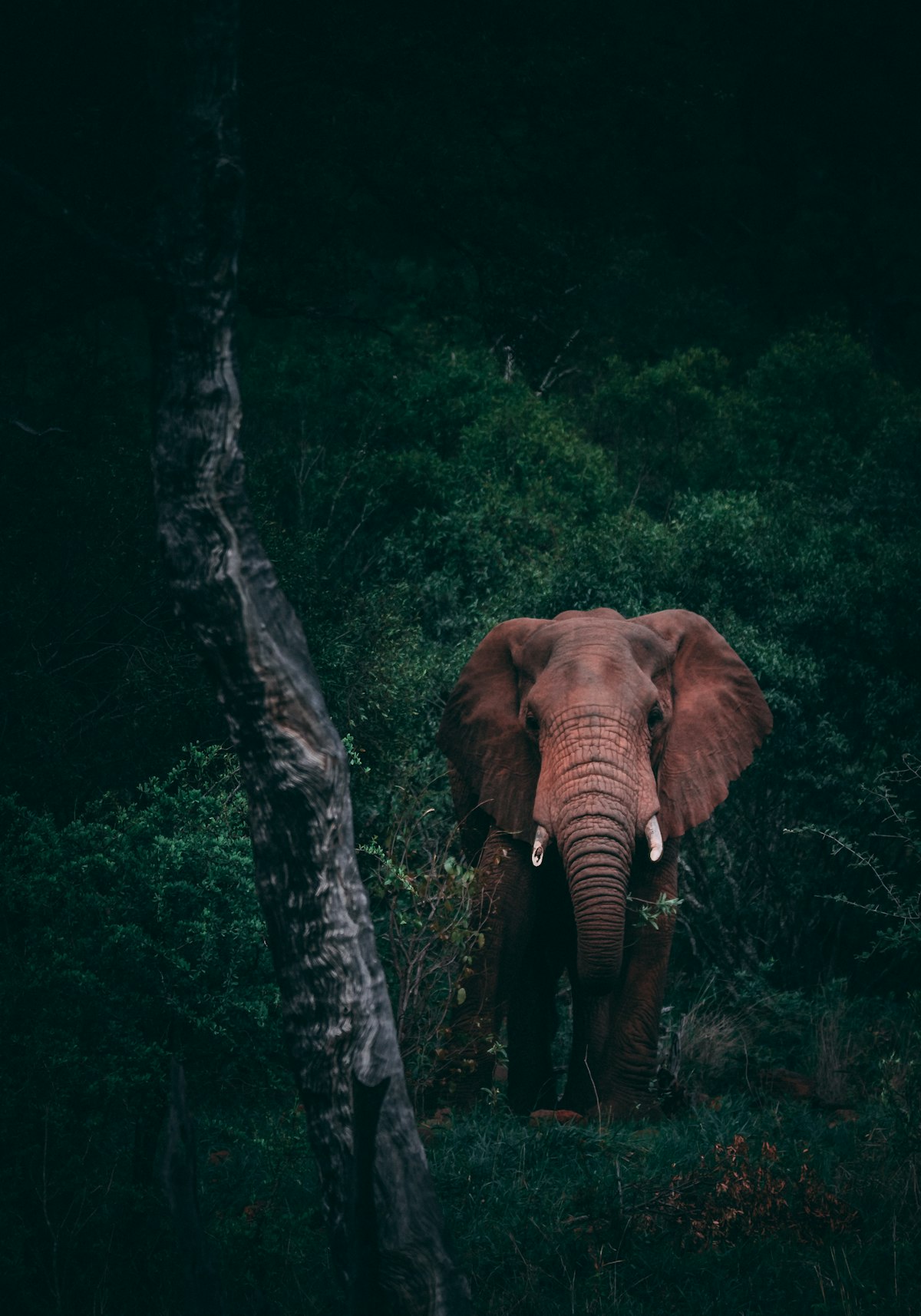
The herds begin their southern return, but many remain in the Mara through October. Crossings continue. The grass begins to dry out and the landscape takes on its famous golden tones. Game viewing in the conservancies is outstanding — not just migration, but resident prides, cheetah, and elephant.
November — The Return
Location: Northern Serengeti
The short rains arrive and the herds begin moving south. They typically re-cross the Mara River and head back into Tanzania. Crossings occur in reverse direction, often with less drama than the northward journey.
December — Back to the South
Location: Southern Serengeti
The herds complete their circuit, returning to the southern Serengeti short grass plains to begin the calving cycle again. December offers excellent game viewing and the start of the festive season, with lodges hosting special Christmas and New Year programmes.
Planning Your Migration Safari
River Crossings: Tips for the Best Experience
- Allow at least three days at crossing sites — crossings are unpredictable and patience is essential
- Position yourself in a conservancy with a private vehicle — you can wait at a crossing point as long as you need
- Arrive early (pre-dawn) as herds often begin moving to the river at first light
- Have your camera ready and patience deep — some days you wait all day; others you witness three crossings
Best Viewing Platforms
- Mara Triangle (Kenya) — Exceptional for mid-season crossings; restricted vehicle numbers ensure quality
- Mara North Conservancy (Kenya) — Large, diverse conservancy with excellent guide standards and off-road flexibility
- Northern Serengeti — Kogatende Area (Tanzania) — The Tanzanian side of the river offers a very different, equally dramatic perspective
Book Your Migration Safari
The Great Migration is bucket-list travel at its most rewarding — but it requires careful planning and advance booking. The best camps and dates fill 12–18 months ahead. Contact Recon Travels today to begin planning your migration safari. Our team will guide you on the optimal timing, location, and accommodation for your specific dates and interests.