Why the Masai Mara Is Africa's Most Iconic Safari Destination
Ask any seasoned traveller to name Africa's greatest wildlife destination and the Masai Mara will almost certainly top the list. Stretching across 1,510 square kilometres of open savannah in southwestern Kenya, the Mara forms the northern extension of Tanzania's Serengeti ecosystem — together creating the world's single largest unbroken wildlife corridor.
What makes the Mara extraordinary is not just the density of wildlife — though that alone is staggering — it is the quality of every game drive. Open grasslands mean clear sightlines. Resident prides of lion, clans of spotted hyena, and secretive leopards occupy territories you can visit day after day, building a narrative that no zoo or documentary can replicate.
The Big Five and Beyond
The Masai Mara is one of the few places on Earth where you can realistically encounter all of Africa's Big Five in a single day:
- Lion — The Mara Triangle and Mara North Conservancy are famous for their large prides, some numbering over 30 individuals. Lion density here is among the highest in Africa.
- Leopard — More secretive but regularly spotted, particularly along the Talek and Mara rivers. Dawn and dusk drives offer the best chances.
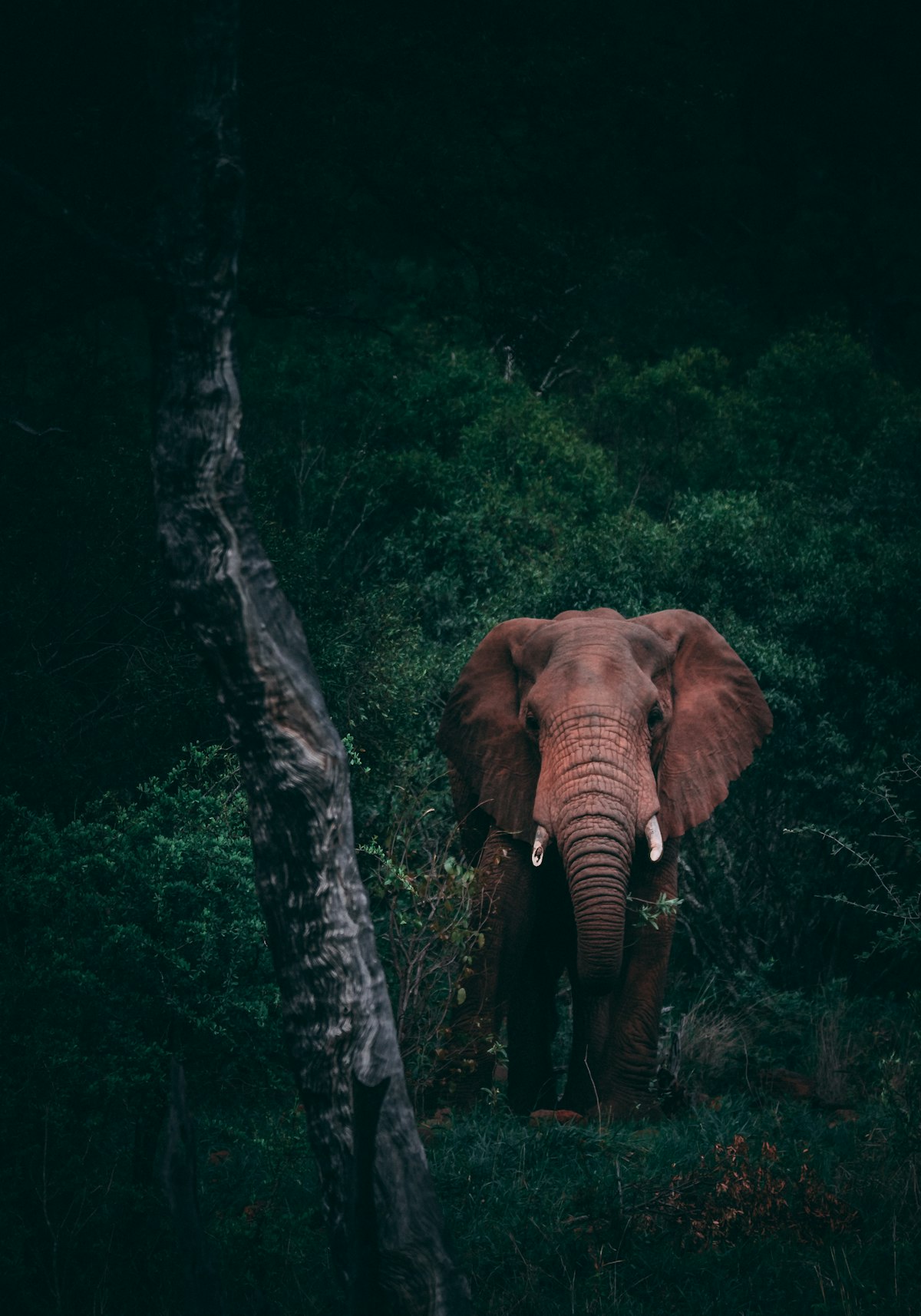
- Elephant — Large herds move between the Mara and Serengeti. The Mara North Conservancy hosts consistently large elephant populations.
- Buffalo — Massive herds of Cape buffalo are a year-round presence, particularly around river crossings and open plains.
- Rhino — Black rhino exist in small numbers; the Mara Triangle offers the best sightings thanks to anti-poaching efforts.
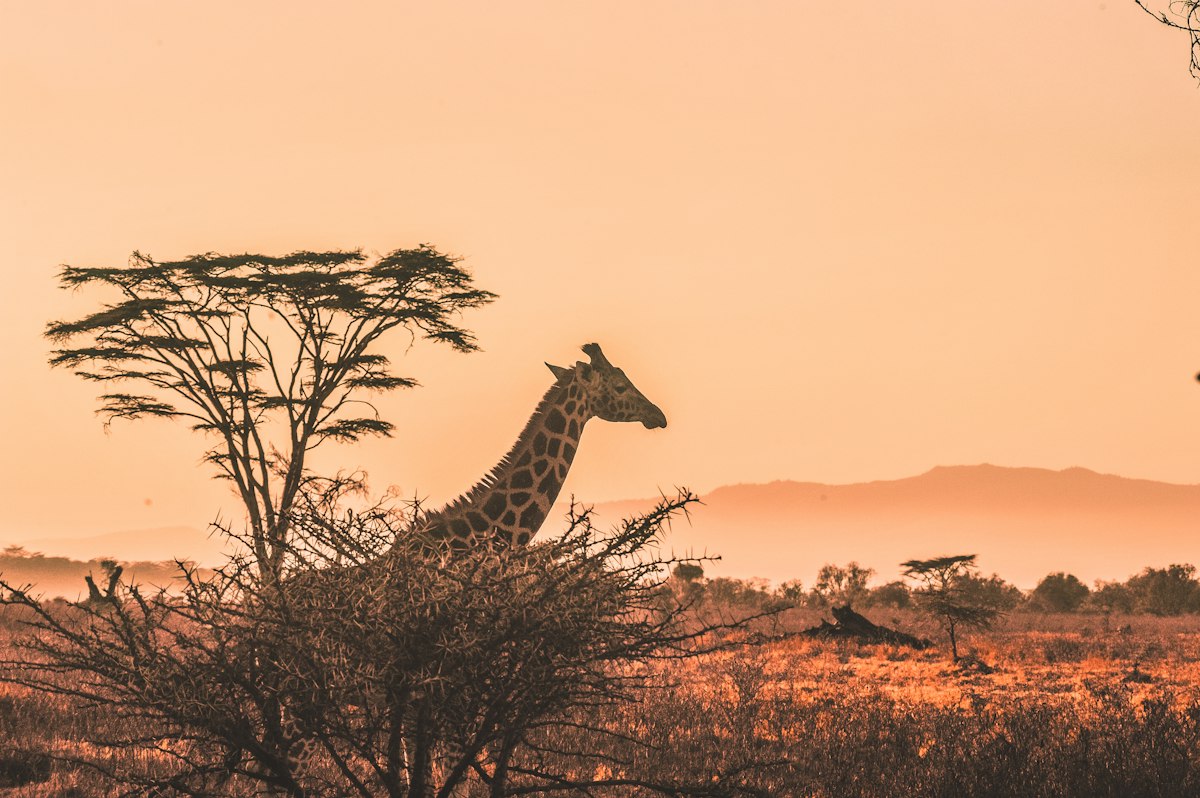
Beyond the Big Five, expect cheetah on the open plains, vast herds of wildebeest and zebra, giraffe, hippo, crocodile, and hundreds of bird species including the martial eagle, secretary bird, and lilac-breasted roller.
The Great Migration: Nature's Greatest Spectacle
Each year, 1.5 million wildebeest, 500,000 zebra, and 200,000 Thomson's gazelle follow an ancient circular route between the Serengeti and the Masai Mara, driven by rain and the growth of fresh grass. This is the Great Migration — the world's largest overland animal movement.
The River Crossings
The most dramatic moments occur at the Mara and Talek rivers between July and October. Thousands of wildebeest plunge into crocodile-filled waters in a frenzy of noise, dust, and chaos. Some crossings last minutes; others go on for hours. No two are the same, and witnessing one is a visceral experience that stays with you forever.
Best Time to See the Migration
- July–August: Herds arrive from the south. Crossings begin at the Sand River and Mara Triangle.
- September–October: Peak crossing season. The herds are at their densest in the Mara.
- November: The rains arrive and the herds begin moving south again.
Note: While the migration is the headline act, the Masai Mara is a superb year-round destination. Dry season (January–February and June–October) offers the easiest wildlife viewing, while the green season (November–May) brings lush landscapes, newborn animals, and fewer crowds.
Where to Stay: Camps and Lodges
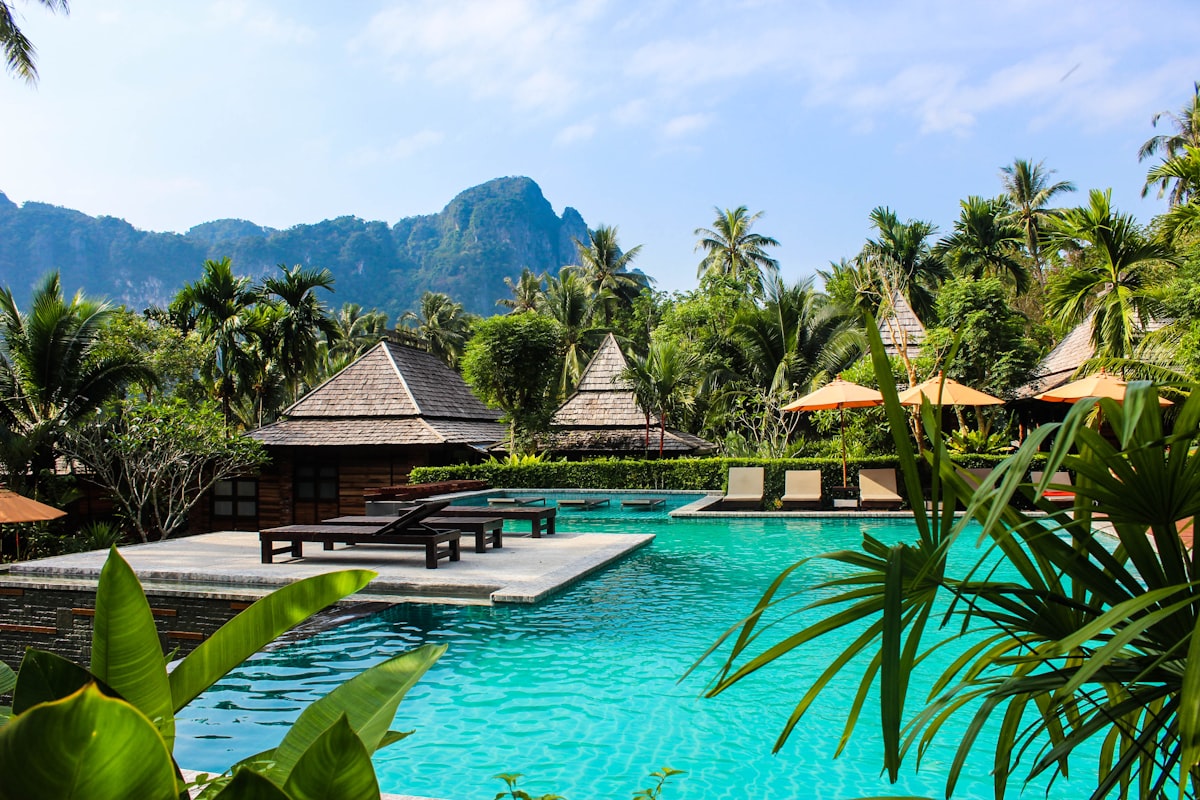
Accommodation in the Mara ranges from the authentic to the extraordinarily luxurious. The key decision is location.
Inside the National Reserve
Staying inside the Masai Mara National Reserve (MMNR) places you in the heart of the action, with access restricted to the official reserve boundaries. Game drives are shared with other vehicles.
Private Conservancies
The private conservancies surrounding the MMNR — including Mara North, Naboisho, Olare Motorogi, and the Mara Triangle — offer an entirely different level of experience. Benefits include:
- Strict limits on vehicle numbers per sighting
- Off-road driving permitted (you can follow an animal into the bush)
- Night game drives allowed
- Walking safaris with armed Maasai rangers
- A direct community benefit for Maasai landowners
For discerning travellers, a conservancy camp is almost always the better choice. The exclusivity transforms the safari experience entirely.
Hot Air Balloon Safaris
Rising before dawn to float silently above the Mara plains in a hot air balloon is one of Africa's signature experiences. The bird's-eye perspective of the landscape — lion prides, elephant herds, and the silver ribbon of the Mara River — is unlike anything seen from a vehicle. Most balloon flights last approximately one hour and conclude with a champagne bush breakfast. Book at least three months in advance during peak season.
Cultural Encounters with the Maasai
The Masai Mara takes its name from the Maasai people who have coexisted with the wildlife for centuries. Visiting a Maasai manyatta (village) is a genuine cultural highlight. Learn about traditional customs, witness the adamu jumping dance, and understand how the Maasai have adapted to modern conservation challenges while maintaining their identity. Choose community-run visits that ensure income goes directly to the families involved.
Practical Information
Getting There
Most visitors fly from Nairobi's Wilson Airport to one of several airstrips within or adjacent to the Mara (Keekorok, Ol Kiombo, Mara North). Flight time is approximately 45 minutes. Alternatively, the Mara is a 5–6 hour road transfer from Nairobi — scenic but tiring after a long-haul flight. We recommend flying in and road-transferring out (or vice versa).
Health and Safety
- Malaria: The Mara is a malaria zone. Consult your doctor regarding prophylaxis before travel.
- Yellow Fever: Required if arriving from a yellow fever endemic country.
- Vaccinations: Hepatitis A, typhoid, and tetanus are recommended.
What to Pack
- Neutral-coloured clothing (khaki, olive, beige) — avoid bright colours and white
- Layered clothing for cold early mornings (below 15°C) and warm afternoons
- High-quality binoculars (8×42 recommended)
- Camera with a telephoto lens (300mm+ recommended)
- Sunscreen, insect repellent, and a wide-brimmed hat
- A small daypack for game drives
Booking Your Masai Mara Safari
The Masai Mara rewards careful planning. Peak season camps book up 12–18 months in advance, particularly for the migration period. We recommend beginning your planning at least a year ahead if you have a specific August–October window in mind.
At Recon Travels, we have deep relationships with the best camps across every conservancy and will secure you exactly the accommodation that matches your style and budget. Contact us today to start planning your Masai Mara adventure.